Why Traditional Textile Mills Enforce High MOQs
To understand MOQ, one must understand textile machinery economics. Spinning 100% combed cotton yarn, setting up industrial circular knitting cylinders, and filling industrial jet-dyeing vessels requires thousands of liters of heated water and chemical dyestuffs. If a mill dyes less than 500 kilograms of cloth (enough for ~1,500 t-shirts), energy and wastewater treatment costs exceed profit.
Similarly, traditional screen printing carousel presses require physical screen burnings, color separations, and manual test proofs that take hours to prepare, making small runs uneconomical.
How NexelPrint Rewrites the Rulebook for Indian Founders
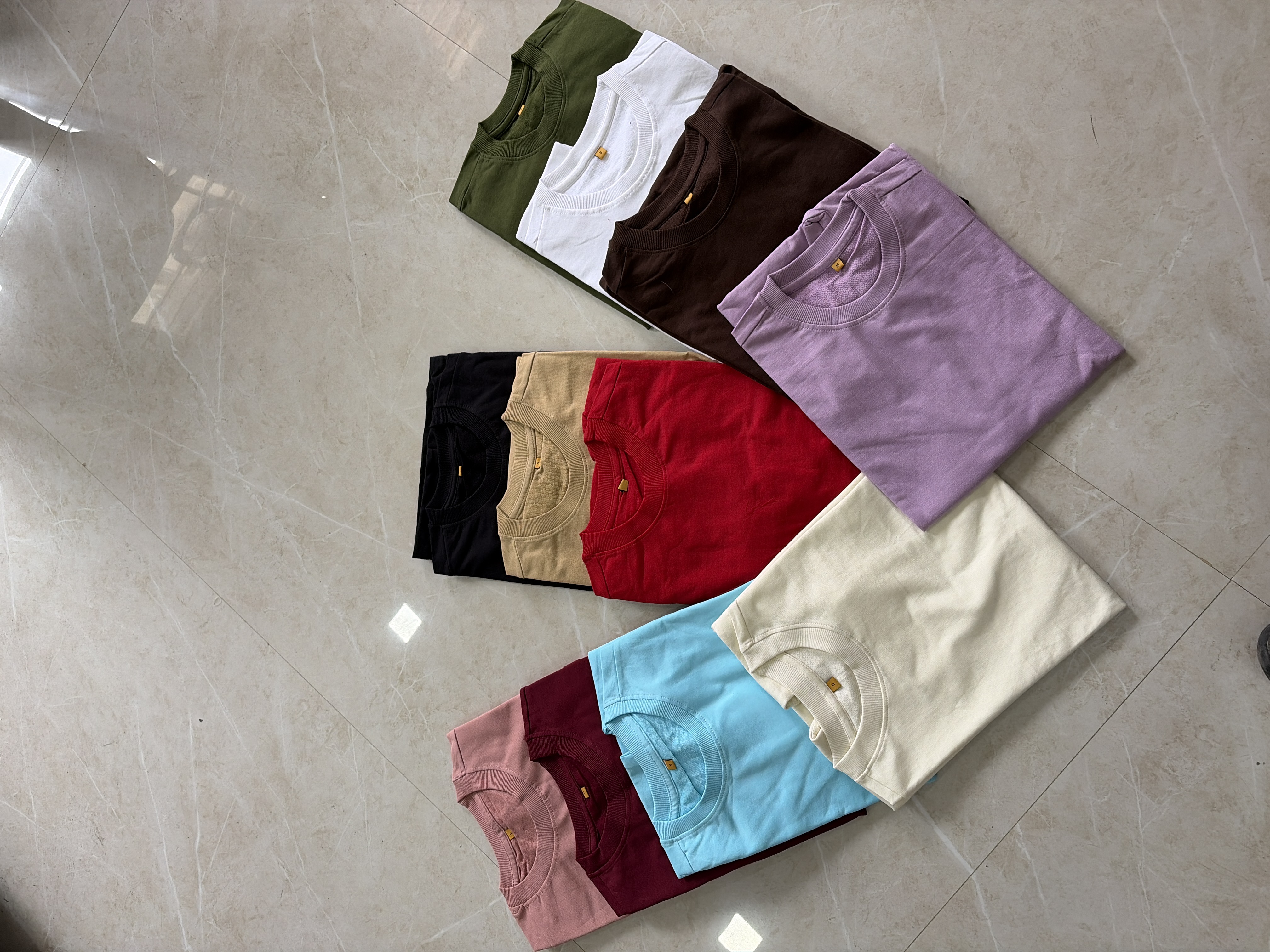
NexelPrint bridges the gap between mass Tirupur manufacturing and modern agile fashion brands. By stocking massive inventories of pre-knitted, pre-dyed 180 GSM, 240 GSM, and 350 GSM blanks in our godowns, and deploying industrial Direct-to-Film (DTF) digital printing arrays, we eliminate setup barriers.
Founders can test fresh design drops with zero upfront capital risk through Print on Demand (1 piece MOQ), then scale into wholesale bulk production runs (from 10 to 5,000+ pieces) with tiered wholesale pricing.