
Fabricˈbaɪ.oʊ wɒʃ / En-zyme Fin-ish-ing

Bio-Wash (Enzyme Finishing)

An eco-friendly enzymatic wet-finishing process using cellulase enzymes to dissolve fuzzy micro-fibrils from cotton yarn, delivering a butter-soft surface and permanent anti-pilling resistance.

Also known as:BiopolishingEnzyme WashCellulase WashAnti-Pilling Treatment
Key Definition & Direct Answer

Bio-wash (biopolishing) is a chemical wet-finishing process applied to 100% cotton fabric using cellulase enzymes under controlled acidic pH (4.5–5.5) and 50°C water temperature. The enzyme hydrolyzes and dissolves short, protruding loose micro-fibers from the cotton yarn surface. This eliminates fuzziness, prevents post-wash fabric pilling (lint balls), enhances color luster, and creates an ultra-smooth printing canvas for DTF and screen inks.

Technical Specifications at a Glance

Active Agent
Bio-Cellulase Enzymes (Endoglucanase)
Processing Condition
pH 4.5 – 5.5 at 50°C – 55°C
Key Benefit
Permanent Anti-Pilling & Silky Hand-Feel
Print Advantage
Zero Fuzz Fiber Interference in DTF

The Biochemical Science Behind Bio-Washing

Natural cotton fibers are composed of cellulose chains with millions of tiny microscopic fibril ends that protrude outward from the yarn after spinning and knitting. In untreated cotton garments, these microscopic hairy fibers rub against each other during consumer wear and laundry cycles, tangling into unsightly balls known as "pills".

Bio-washing, known in textile engineering as biopolishing, deploys natural cellulase enzymes that selectively hydrolyze the 1,4-beta-D-glucosidic bonds of the protruding cellulose fibers without degrading the structural core of the cotton yarn. The loosened hairiness is rinsed away in the industrial washing bath, leaving a pristine, mirror-flat yarn surface.

Why Bio-Wash is Non-Negotiable for Premium Apparel Brands

For direct-to-consumer (D2C) clothing brands and high-end corporate buyers, bio-washed fabric provides four essential commercial advantages:

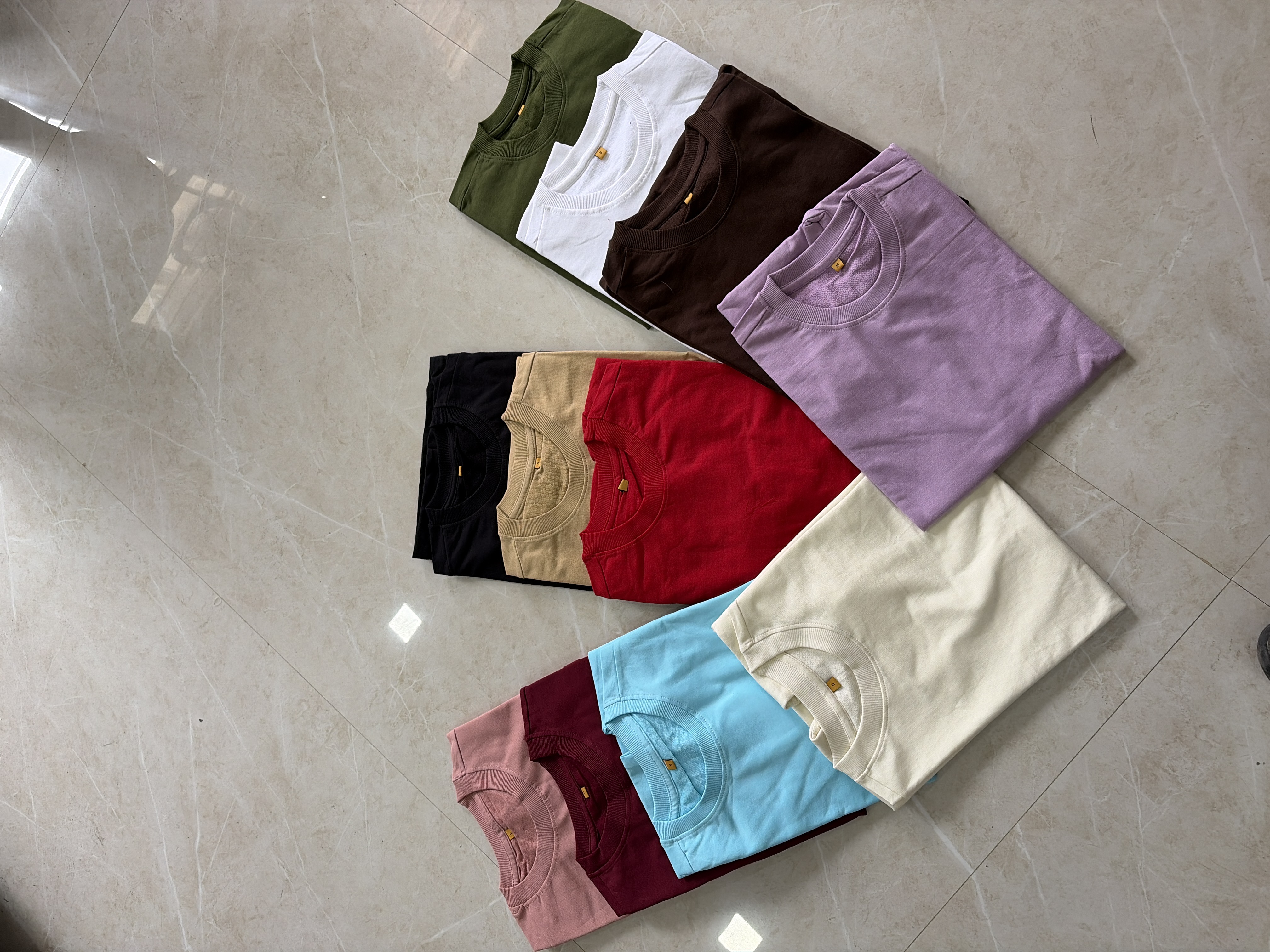
1. Peach-Skin Silky Hand-Feel: The garment immediately feels luxurious and broken-in right out of the polybag, creating an outstanding initial unboxing impression that slashes product returns.

2. High-Definition Print Clarity: When applying Direct-to-Film (DTF) transfers or screen printing plastisol inks, any protruding surface fuzz causes microscopic pinholes and jagged ink edges. Bio-wash provides an ultra-flat ceramic-smooth printing substrate.

3. Vibrant Color Fastness: Without fuzzy micro-fibers diffusing surface light reflection, dyed cotton appears deeper, darker, and more vibrant—especially in deep jet black, navy blue, and forest green.

4. Wash Longevity (Grade 4–5 Anti-Pilling): Garments maintain their new appearance after 40+ laundry cycles without turning rough or fuzzy.

Enzyme Deactivation Protocol

After the 45-minute cellulase bath, the factory must raise the bath temperature above 75°C or shift the pH to 9.0 to instantly denature the enzyme. If an uncertified factory fails to deactivate the enzyme, it continues chewing the cotton cellulose, leading to premature fabric tearing.

Bio-Wash vs. Silicone Softener: Spotting the Difference

Cheap manufacturers often cut costs by skipping bio-wash and coating low-grade carded fabric in heavy silicone emulsion oils. While silicone gives a slippery soft touch in the showroom, it washes off completely in 2 home laundry cycles, leaving the t-shirt rough, stiff, and covered in lint balls.

In contrast, bio-wash is a permanent structural modification of the cotton fiber itself. The softness cannot wash away because the fuzzy fibers have been physically removed at a molecular level.
Industry Comparison Matrix

FeatureRaw / Non-Bio CottonSilicone Coated CottonTrue Bio-Washed Cotton
Surface TextureSlightly fuzzy, raw hand-feelArtificially slippery / oilyNaturally soft, smooth peach-skin
Anti-Pilling GradeGrade 2 (Pills after 2 washes)Grade 3 (Pills after 5 washes)Grade 4.5+ (Resists pilling 40+ washes)
Print SharpnessFuzz causes ink bleed & pinholesSilicone repels ink adhesionGlass-smooth, perfect DTF adhesion
BreathabilityNatural cotton pores openPores clogged with silicone oil100% natural pore breathability

Buyer & Quality Inspection Protocol

  • Rub fabric vigorously against itself 20 times to inspect for immediate surface fiber fluffing.
  • Inspect dyed black fabric under angled lighting: bio-washed black is jet-dark without a grayish hazy sheen.
  • Check that the supplier uses Oeko-Tex Standard 100 certified non-toxic biodegradable enzymes.

Frequently Asked Questions

Does bio-washing shrink the t-shirt?

Bio-washing takes place in hot industrial water tumblers followed by high-temperature drying. Because the fabric experiences hot water relaxation during processing, bio-washed cotton is naturally pre-shrunk, resulting in less than 3% post-purchase shrinkage.

Can polyester or nylon garments be bio-washed?

No. Cellulase enzymes specifically digest cellulose plant molecules. They only work on natural cellulosic fibers like 100% cotton, modal, rayon, and linen. Synthetic fibers like polyester and nylon are completely immune to cellulase enzymes.

Why is bio-wash essential for DTF (Direct to Film) printing?

DTF transfers rely on a micro-thin layer of melted hot-melt TPU adhesive. On non-bio-washed fabric, protruding fibers penetrate the glue layer, creating rough textures and premature peeling. Bio-wash guarantees a flat bond with zero fiber interference.

Source Certified Tirupur Cotton with 50/50 COD Milestone Escrow

Get 100% combed cotton blanks custom printed with high-definition DTF. Order a single ₹349 sample kit or place a bulk wholesale run starting at just 10 pieces.