
Fabrickoʊmd ˈkɒt.ən

Super Combed Cotton

An extremely high-grade cotton yarn that has undergone a mechanical combing stage to strip away short fibers and impurities, leaving only long, straight, parallel fibers.

Also known as:Combed Ring-Spun CottonSupercombed YarnLong-Staple Combed Cotton
Key Definition & Direct Answer

Super Combed Cotton is manufactured by passing raw carded cotton through a specialized combing machine with fine mechanical teeth. This process discards approximately 15% to 20% of the shortest, weakest fibers (staples shorter than 25mm) and extracts lingering plant impurities. The remaining long, uniform fibers are spun into an exceptionally strong, silky-smooth yarn that resists pilling, fraying, and distortion over time.

Technical Specifications at a Glance

Fiber Selection
Long Staple (>28mm Length Only)
Waste Extraction
15% – 20% Short Fibers Discarded
Tensile Strength
30% Higher than Carded Open-End
Surface Feel
Silky, Smooth, Zero Scratchiness

Carded Cotton vs. Combed Cotton: The Manufacturing Truth

All cotton begins as raw bolls harvested from the field, which are cleaned and carded into a rough web of fibers. In budget apparel, factories spin this raw web directly into "Carded" or "Open-End" yarn. Carded cotton contains thousands of rough, prickly short-staple fibers that stick out in all directions, making the finished t-shirt feel scratchy, heavy, and prone to rapid pilling.

In contrast, producing Super Combed Cotton requires an expensive additional processing phase. The carded sliver enters high-speed combing heads where micro-wire combs extract short fibers, seeds, and tangles. The long fibers are drawn into precise parallel alignment before spinning into yarn. The result is a compact, lustrous thread with unparalleled tensile resilience.

Impact on Brand Profitability and Customer Loyalty

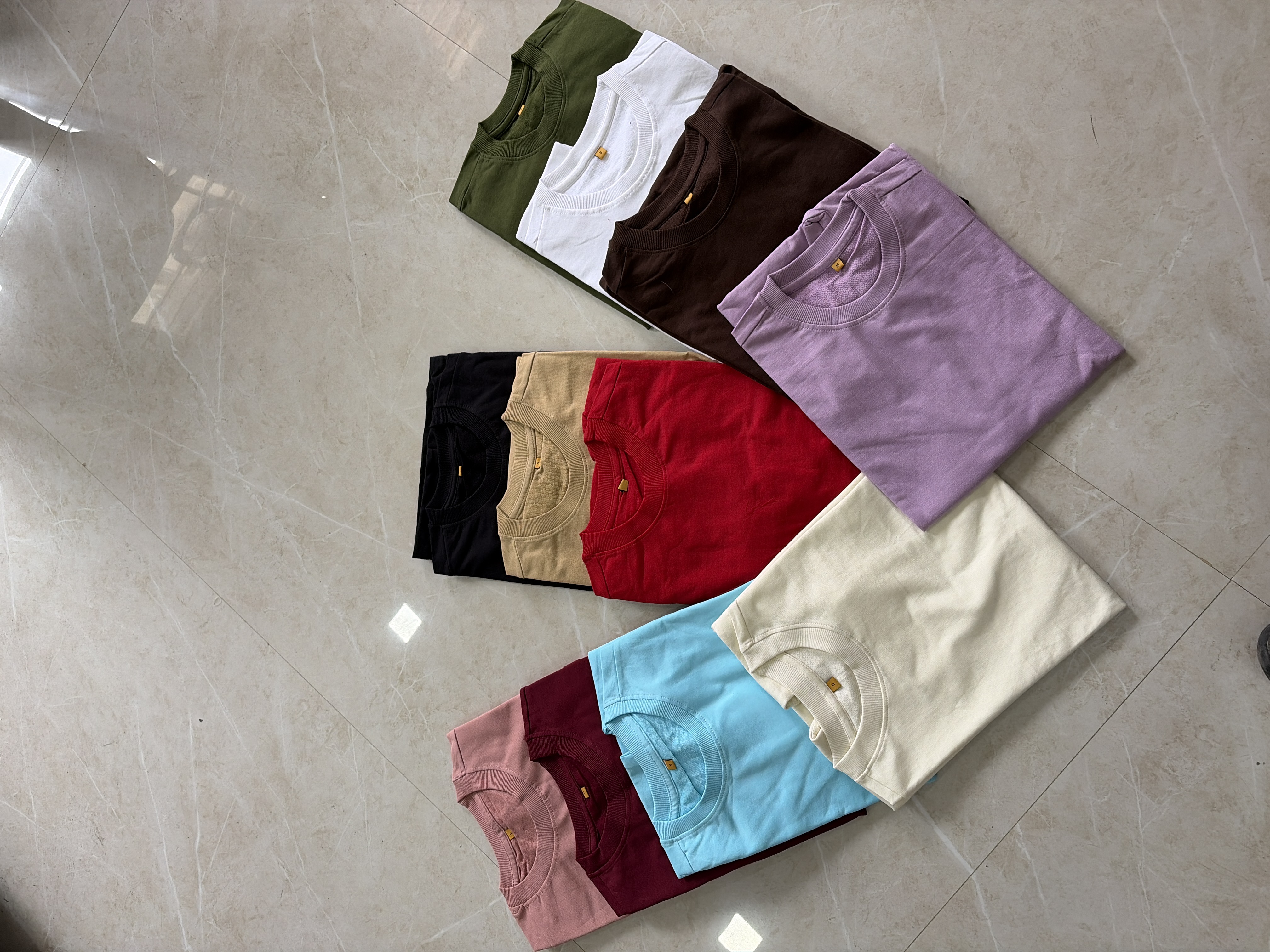
For clothing brands and custom apparel dropshippers, combed cotton is the true differentiator between cheap promotional tees and retail-grade designer merchandise. Garments crafted from super combed cotton hold their structural silhouette, retain neckband shape after 50 washes, and feel comfortable against sensitive skin.
Industry Comparison Matrix

ParameterCarded / Open-End CottonRegular Ring-Spun CottonSuper Combed Cotton
Fiber LengthShort, uneven fibers (<20mm)Medium fibers, minimal sortingLong-staple fibers (>28mm parallel)
Surface SmoothnessRough, hairy, prone to lintModerately softSilky, smooth, zero fiber fuzz
Wash LongevityShrinks & twists after 3 washesLasts 15–20 washesMaintains shape 50+ wash cycles
Market SegmentBudget event giveawaysStandard commercial retailPremium D2C streetwear & exports

Buyer & Quality Inspection Protocol

  • Look closely at the knit under a magnifying loop: combed cotton displays uniform parallel knit V-loops without hairy clusters.
  • Check for zero skin itchiness when worn on sensitive neck skin.
  • Verify yarn count: 24s or 30s supercombed yarn provides optimal balance of softness and strength.

Frequently Asked Questions

Why is combed cotton more expensive than regular cotton?

Because the mechanical combing process discards 15% to 20% of the raw cotton volume as waste (short-staple fibers) and requires high-precision industrial machinery, combed cotton carries a 15–25% raw material premium.

Is combed cotton breathable for Indian summers?

Yes, exceptionally so. Because short fibers and impurities are removed, the natural hollow lumen of the cotton fiber breathes freely, facilitating rapid capillary sweat absorption and evaporation.

Source Certified Tirupur Cotton with 50/50 COD Milestone Escrow

Get 100% combed cotton blanks custom printed with high-definition DTF. Order a single ₹349 sample kit or place a bulk wholesale run starting at just 10 pieces.