
Logisticsskjuː / ɛs keɪ juː

SKU (Stock Keeping Unit)

A unique alphanumeric code assigned by merchants to identify and track specific product variants based on category, garment style, colorway, and size.

Also known as:Product Variant CodeInventory Item IdentifierStock Unit Code
Key Definition & Direct Answer

An SKU (Stock Keeping Unit) is a distinct alphanumeric identifier created by apparel brands and fulfillment warehouses to track inventory across channels. Unlike universal retail barcodes (UPC/EAN) that are identical for every retailer, an SKU is tailored to your internal inventory architecture. A well-structured garment SKU immediately communicates key product attributes—such as `OS240-BLK-XL` (Oversized 240 GSM, Jet Black, Size XL)—enabling automated barcode scanners in 3PL factories to pick, print, and pack orders with zero human error.

Technical Specifications at a Glance

Character Format
Alphanumeric Hyphenated Code (8–14 Characters)
Standard Structure
Category-Weight-Color-Size
Operational Purpose
Warehouse Barcode Scanning & Multi-Channel Sync
Golden Rule
Never Reuse an SKU for Discontinued Garment Styles

Architecting an Industrial Apparel SKU System

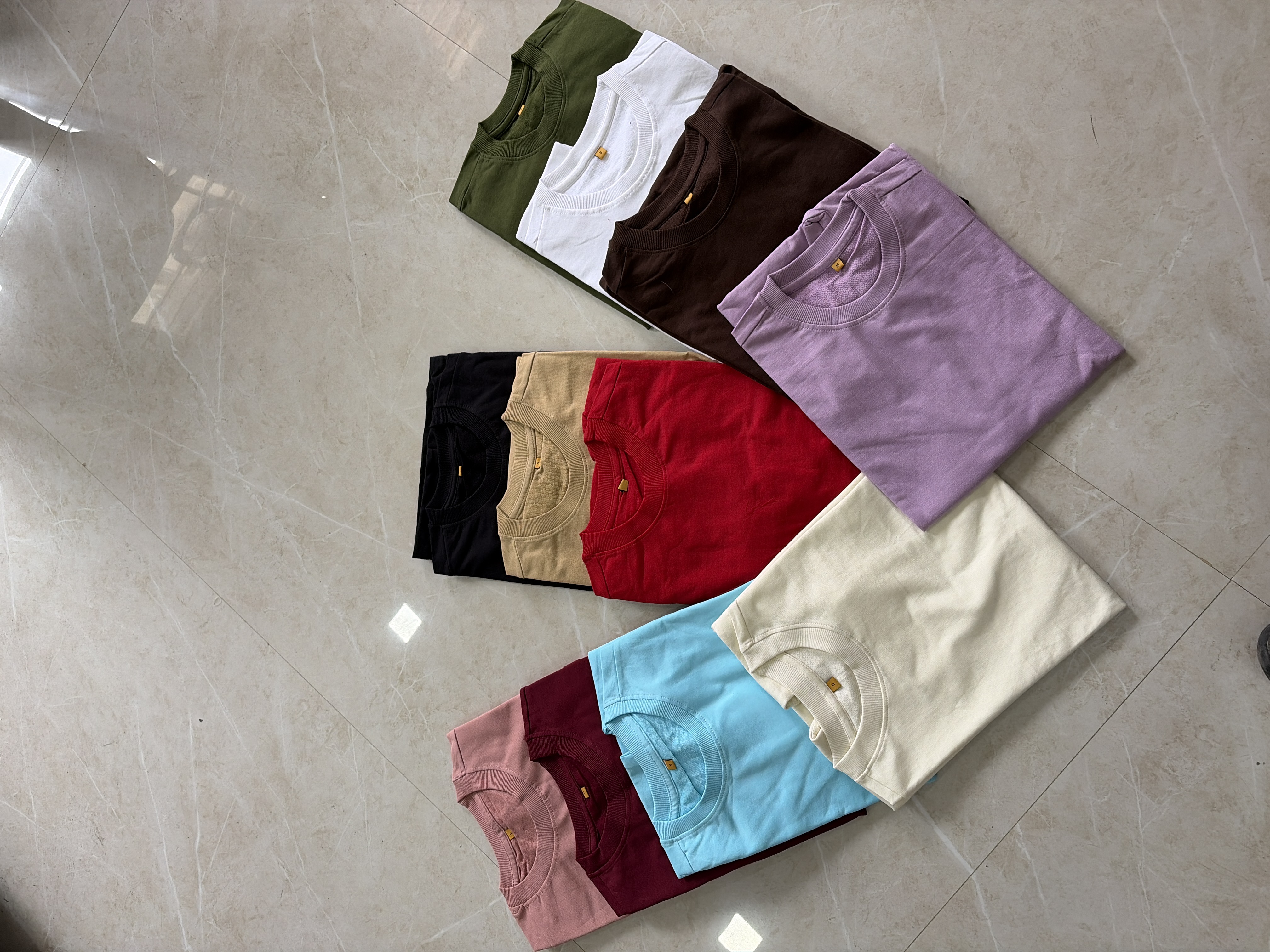
Many new clothing brand founders assign random numbers or vague names like `TSHIRT1` or `COOL-TEE` to their products. When your catalog grows to 20 designs across 5 sizes and 4 colors, unstructured naming leads to disastrous warehouse mispicks—such as shipping a regular crewneck instead of an oversized fit.

An industrial apparel SKU uses a standardized hierarchical taxonomy:

`[SILHOUETTE]-[FABRIC/GSM]-[COLOR]-[SIZE]`

• Example 1: `OS-240-BLK-M` = Oversized Fit, 240 GSM Loopknit, Black, Size M.

• Example 2: `RN-180-WHT-XL` = Round Neck Classic, 180 GSM Combed Cotton, White, Size XL.

• Example 3: `HD-350-SAGE-L` = Fleece Hoodie, 350 GSM Brushed Cotton, Sage Green, Size L.

When an automated fulfillment engine like NexelPrint receives an order payload with clean SKUs, our automated inventory bin pickers scan the barcode in under 3 seconds with 99.98% fulfillment accuracy.

Rules for Flawless SKU Management Across Shopify and 3PLs

• Avoid Ambiguous Characters: Never use spaces, slashes (`/`), or punctuation that can break database queries. Avoid the letter "O" next to zero "0", or lowercase "l" next to uppercase "I".

• Match SKU Codes 1:1 Across Platforms: Your Shopify variant SKU must match your NexelPrint catalog SKU exactly to enable automatic live inventory synchronization.

• Permanent Lifecycle: Once an SKU is assigned to a physical garment cut, never reassign that same SKU to a modified style even if the older version is discontinued.
Industry Comparison Matrix

SKU Design PracticeBad SKU ExampleBest Practice SKU (NexelPrint Standard)Operational Impact
Naming Clarity`BLACK-TEE-MEDIUM``RN-180-BLK-M`Compact, barcode-scannable, instant visual identification
Variant Specificity`TEE-001` (Shared across sizes)`OS-240-WHT-S`, `OS-240-WHT-M`Eliminates warehouse size confusion and mispicks

Buyer & Quality Inspection Protocol

  • Ensure every variant in your Shopify admin has an assigned unique SKU before turning on advertising campaigns.
  • Print matching SKU barcodes on polybag stickers for fast 1-click warehouse return intake.

Frequently Asked Questions

What is the difference between an SKU and a Barcode (UPC)?

A UPC (Universal Product Code) is a standardized 12-digit numeric barcode licensed by GS1 for global retail scanning. An SKU is your company’s internal code created to manage inventory, sizes, and colors across your own systems.

Source Certified Tirupur Cotton with 50/50 COD Milestone Escrow

Get 100% combed cotton blanks custom printed with high-definition DTF. Order a single ₹349 sample kit or place a bulk wholesale run starting at just 10 pieces.